Ciser System – Experts in Intercom, Telephony and Assistance

Intelligent Security in Open Spaces
Intelligent Security in Open Spaces
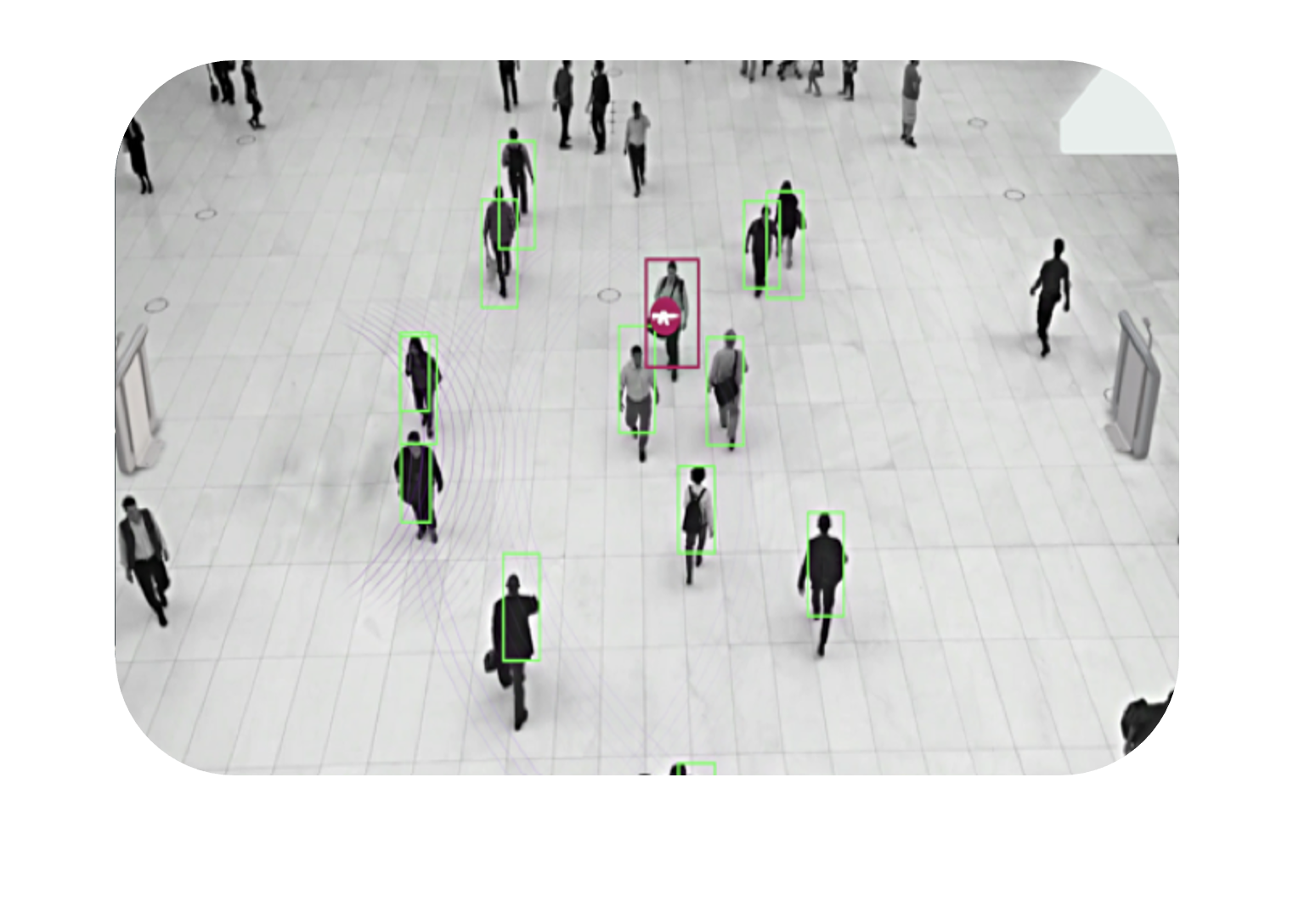
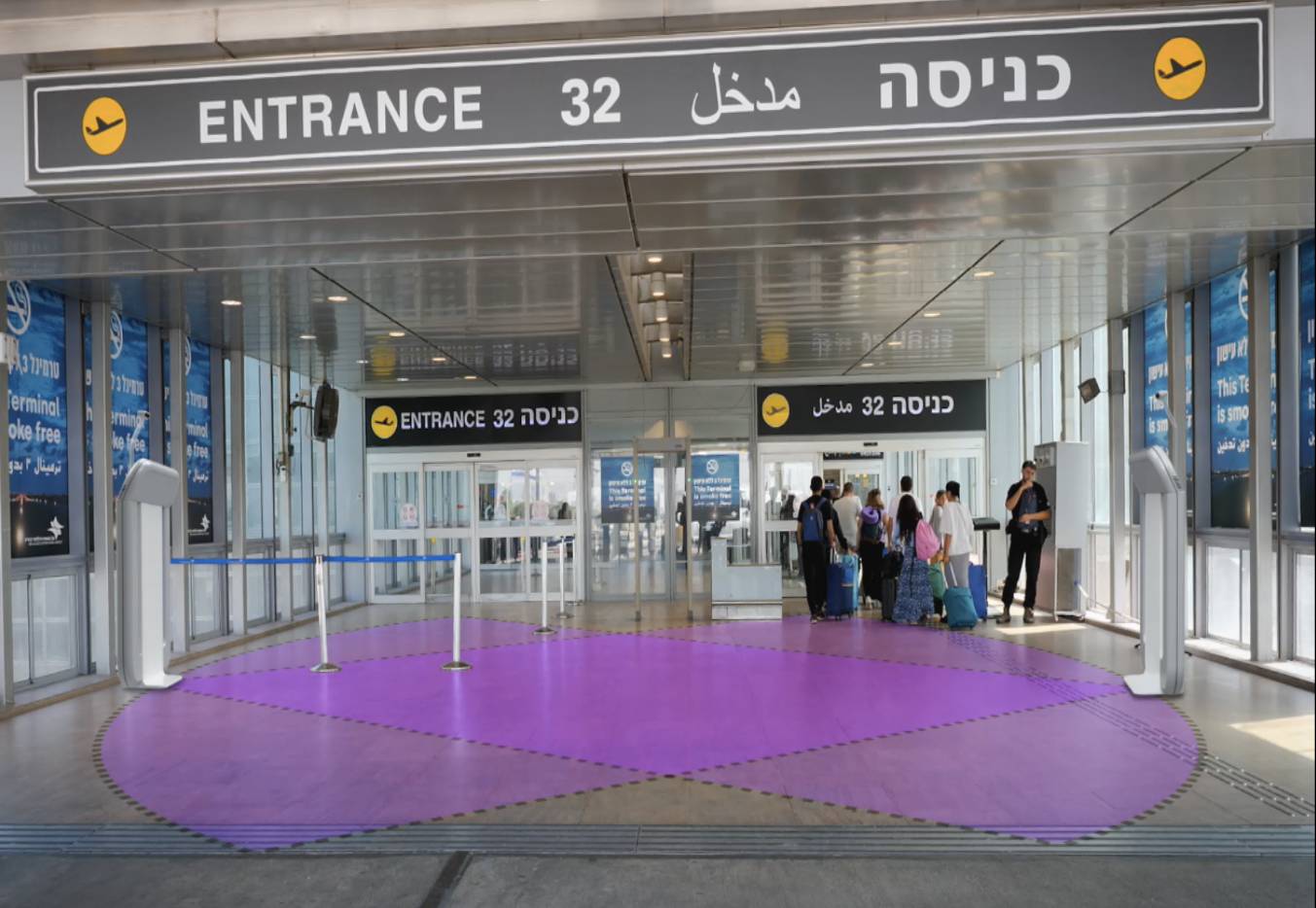
The first solution for detecting threats in open spaces, without the need for traditional checkpoints. It combines near-field radar (NFTD, patented technology), artificial intelligence, and augmented reality to identify weapons and dangerous objects non-intrusively.
AI Threat Detection System
Intelligent Security Without Checkpoints
A radar- and artificial intelligence-based system that detects weapons and explosive devices in open spaces without interrupting the flow of people or compromising their privacy.
Key Features
- 200 m² (2,150 sq ft) open space coverage
- 10-meter detection range
- Up to 25,000 people/hour throughput
- Simultaneous scanning of multiple people
- Detects metallic and non-metallic materials
- See-through capability
- Classifies: handguns, long guns, grenades/pyrotechnics, improvised explosive devices (IEDs), and anomalies
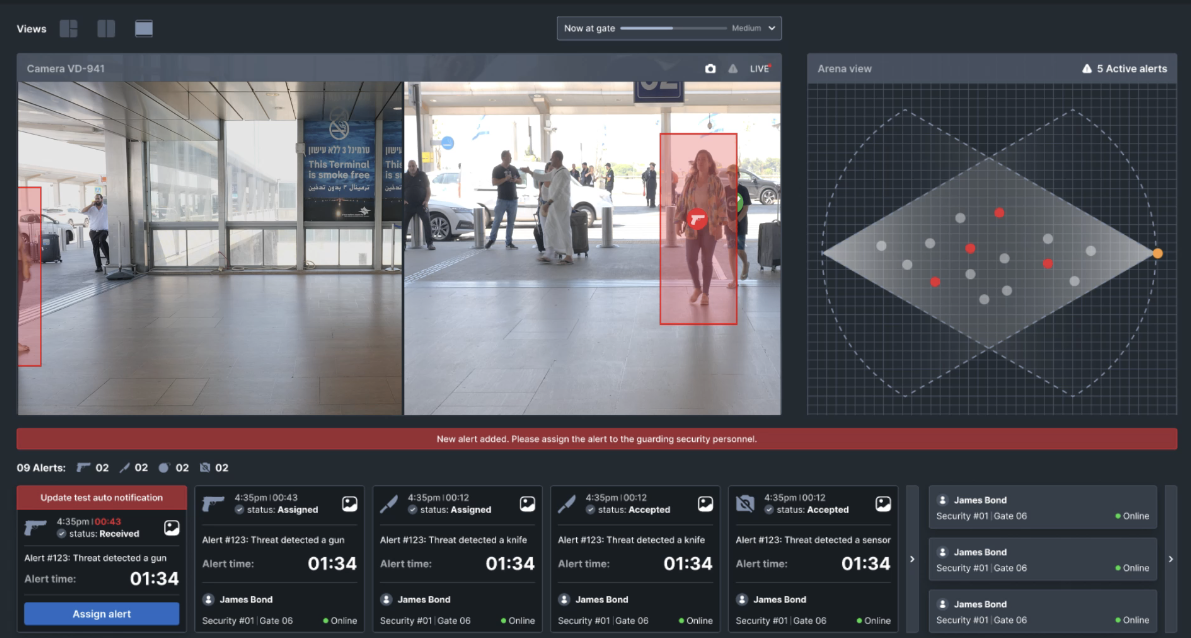
Technology
Patented Near-Field Threat Detection (NFTD) technology combined with AI classification and real-time alerts via augmented reality.
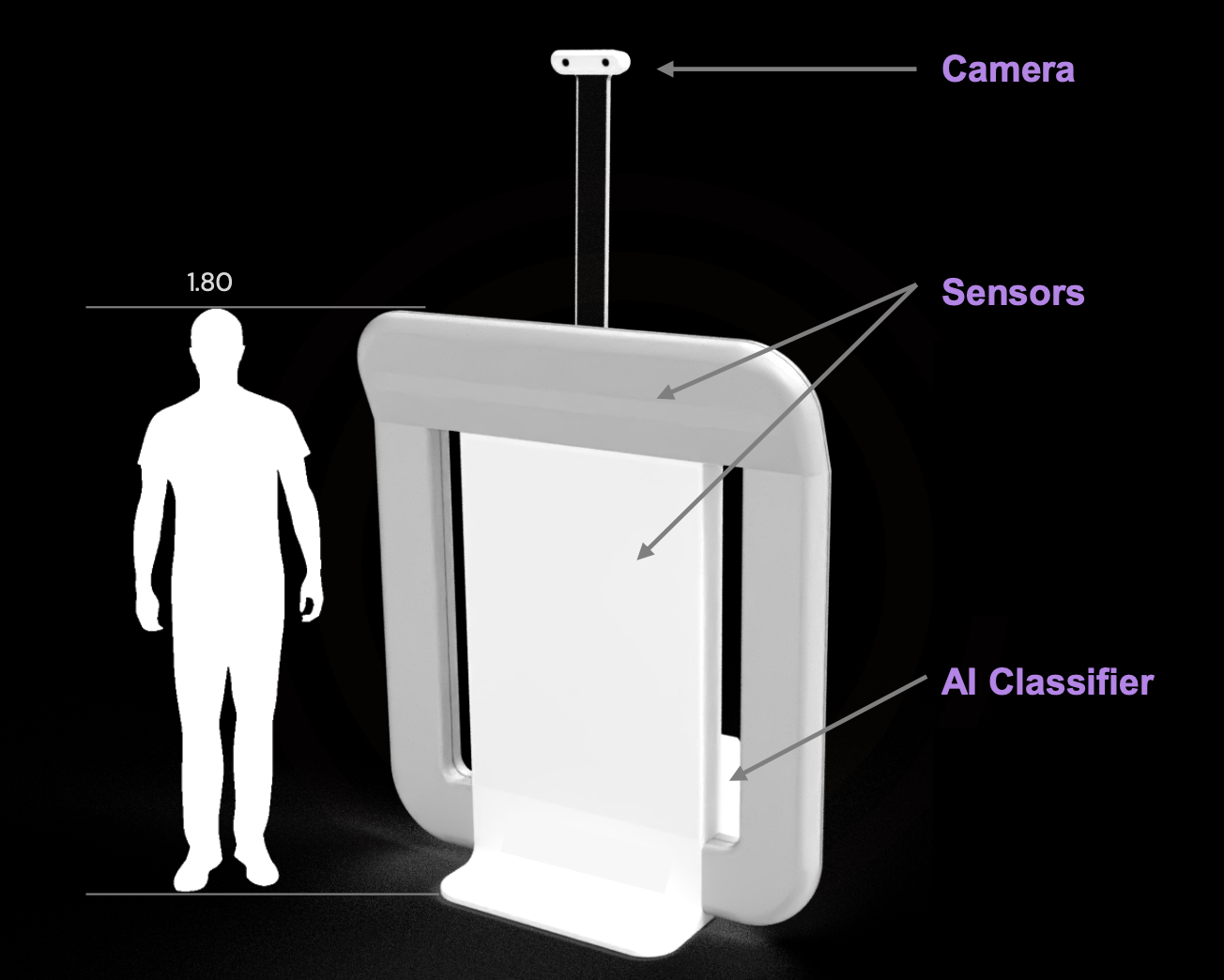
How does it work?
The system operates in open spaces and requires detectors placed in strategic locations within those spaces.
The detector has three main components:
Advantages
- Doesn’t require people to stop or empty their pockets
- Fully autonomous, requires minimal staff
- No bottlenecks or queues
- Non-invasive user experience
- Privacy-secure technology
- Greater accuracy than traditional systems
- Continuous improvement through AI learning
- Easy integration into existing environments without disrupting operations
- Real-time alerts with threat prioritization
- Detects various materials (not just metals)
Applications
Easy integration into any high-traffic environment, minimizing disruptions and ensuring smooth operations.
- Transportation: Stations, Subways, and Transit Centers
- Aviation: Airports and Air Terminals
- Border Security: Access Controls and Perimeters
- Educational Institutions: Schools and Universities
- Sports and Leisure: Stadiums, Concerts, and Festivals
- Public Buildings: Government Institutions and Agencies
- Shopping Centers and High-Traffic Spaces
- Large-Scale Outdoor Events